Does the Clock Actually Matter? Breaking Down When Online Casino Games Hit Hardest
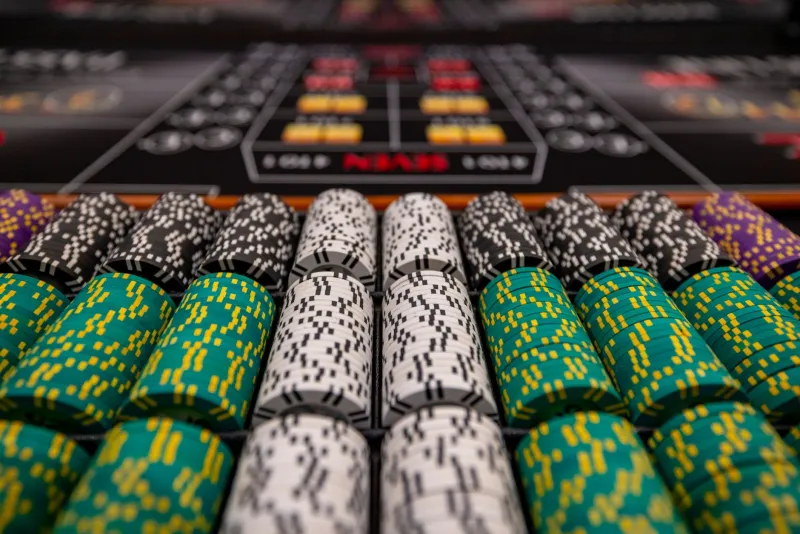
Ask any seasoned player and they'll tell you they have a system. Maybe they only spin on Sunday mornings before the rest of the house wakes up. Maybe they swear that New Year's Eve is the only time the slots ever pay out like they mean it. Timing rituals are basically a casino tradition at this point — right up there with lucky socks and never counting chips at the table.
But here's the real question: does any of it actually hold up?
At Woo Casino, we're all about chasing the party — but we also believe smart players deserve straight answers, not just good vibes. So let's get into the calendar, break down what's real, and figure out whether your timing strategy is a hidden edge or just a really comforting story you tell yourself.
The Slot Machine Math You Actually Need to Know
Before we go season by season, it's worth laying down the foundation. Online slot games run on something called a Random Number Generator — a piece of software that produces thousands of outcomes every single second, whether anyone is playing or not. The RNG doesn't know what day it is. It doesn't know it's Thanksgiving. It definitely doesn't care that you've been waiting all week for your lucky window.
What this means is that each spin is statistically independent. The result of your 3 p.m. spin on a Tuesday has zero relationship to your 11 p.m. spin on a Saturday. The machine is not warming up. It is not cooling down. It is not "due."
So does timing matter at all? The honest answer is: not in the way most people think — but there are still some real-world factors worth paying attention to.
Weekend vs. Weekday: Traffic Changes Everything
Here's where things get genuinely interesting. While the RNG doesn't shift based on the calendar, the behavior of the player pool around you absolutely does — and in certain game formats, that matters a lot.
Take progressive jackpots. These pools grow based on the volume of bets being placed across all players feeding into that network. On a busy Friday or Saturday night, when player traffic spikes, progressive jackpots accumulate faster. That means the prize pool you're competing for is legitimately bigger on weekends than on a slow Tuesday afternoon. You're not more likely to win — but when you do win, the payout could be significantly larger.
Live dealer games are another area where weekend traffic creates a different experience. More players at the tables means faster game pacing, more side bet action, and a livelier overall atmosphere. Whether that affects your bottom line is debatable, but it definitely affects the energy — and energy matters more than people admit when it comes to decision-making at the table.
Weekdays, on the other hand, offer something different: quiet. Lower traffic can mean more table availability, fewer distractions, and a calmer mindset. For strategy-heavy games like blackjack or video poker, that mental clarity could be worth more than any mythical lucky window.
Seasonal Patterns: Where the Real Shifts Happen
If there's any time of year where timing gets genuinely complicated, it's around the major holidays and promotional seasons. And this is where players who pay attention can actually find an edge — not because the games change, but because the casinos do.
From late November through January, online platforms ramp up bonus campaigns, free spin packages, and loyalty rewards to compete for holiday traffic. Casinos know that American players have more leisure time during the holidays, more disposable income from year-end bonuses, and a general mood that leans toward celebration and splurging. That translates into real promotional value for players who know where to look.
Summer is another high-activity window, particularly around the Fourth of July. Promotional events, themed tournaments, and limited-time jackpot boosts tend to cluster around major American holidays. These aren't folklore — they're marketing calendars, and smart players treat them like a schedule.
Spring, by contrast, tends to be a quieter promotional period. That's not necessarily bad news. Slower periods sometimes mean casinos push harder on loyalty rewards to retain active players, which can translate into better comp rates for regulars who stay consistent.
The Late-Night Myth (And the Real Reason People Believe It)
One of the most persistent timing myths in casino culture is the idea that games pay out more late at night — specifically in that 10 p.m. to 2 a.m. window. This belief is so widespread it might as well be folklore at this point.
The origin makes psychological sense. Late at night, you're likely more relaxed, less distracted, and playing with a looser attitude toward risk. Your inhibitions around session limits are lower. You're also more likely to misremember wins from those late sessions because they feel more dramatic — staying up late to hit a big spin carries more emotional weight than a midday bonus round.
The game itself? Still running on the same RNG it was at noon. But your perception of how well you're doing shifts based on your mental state, and that's actually important data. If you play better — meaning more disciplined, more focused, more in control of your bankroll — at a specific time of day, that time of day is genuinely better for you. Just not because the game changed.
How to Build Your Own Optimal Playing Window
Since timing is more about you than the machine, building a personal schedule based on actual self-awareness beats chasing seasonal patterns every time. Here's how to think about it:
Track your sessions. Write down when you played, how long, and what your result was. After 20 or 30 sessions, patterns will emerge — not cosmic ones, but personal ones. You might notice you consistently overspend on Friday nights after a rough work week, or that Sunday mornings are when you play your most disciplined sessions.
Chase the promotions, not the clock. Sign up for email and SMS alerts from your platform. Promotional windows are the one area where timing creates genuinely measurable value. Bonus spins, deposit matches, and tournament entries are real money — and they run on a schedule you can actually track.
Play when you're sharp, not when you're bored. This sounds obvious, but boredom is one of the biggest bankroll killers in online gaming. Playing to kill time almost always means playing sloppy. Play when you're actually excited to be there.
Respect the jackpot clock. If you're targeting progressives, check the current jackpot values. A pool that's sitting well above its average payout threshold is statistically more likely to hit soon — not because of the time of day, but because of where it sits in its cycle.
The Bottom Line on Timing
The casino calendar isn't magic, but it's not completely meaningless either. The games themselves don't care what month it is — but promotions do, jackpot pools do, and most importantly, you do. Your mental state, your discipline, and your ability to capitalize on real bonus windows are the timing factors that actually move the needle.
So keep the lucky socks if they make you feel good. But pair them with a session log, a promo calendar, and a clear head — and that's when the party really gets started.